


Blog
Dishwashing Machine and Manual Washing: When Should Restaurants Use Each Method?

Dishwashing is one of the most important daily tasks in every restaurant kitchen. Plates, bowls, cups, cutlery, cooking utensils, trays, pots and pans must be cleaned properly before they are used again. During busy hours, the dishwashing area can become one of the most stressful parts of the kitchen if the washing method is not suitable for the restaurant’s operation.
Some restaurants prefer manual washing because it is simple and flexible. Some restaurants use a commercial dishwashing machine to improve speed and consistency. In many cases, the best solution is not choosing only one method, but understanding when to use manual washing and when to use a dishwashing machine.
1. Why the Right Dishwashing Method Matters
A good dishwashing method helps restaurants maintain cleanliness, improve workflow and reduce unnecessary labour pressure. If the washing process is too slow, dirty dishes may pile up quickly, especially during lunch and dinner peak hours.
Choosing the right washing method can help restaurants:
| Benefit | Why It Matters |
| Improve washing speed | Clean plates and cutlery are ready faster during peak hours |
| Reduce staff workload | Staff can focus on kitchen preparation and service support |
| Improve cleaning consistency | A standard washing process reduces uneven cleaning results |
| Support hygiene control | Cleaner tableware helps maintain customer confidence |
| Control chemical usage | Correct detergent and dilution help reduce wastage |
2. When Manual Washing Is Suitable
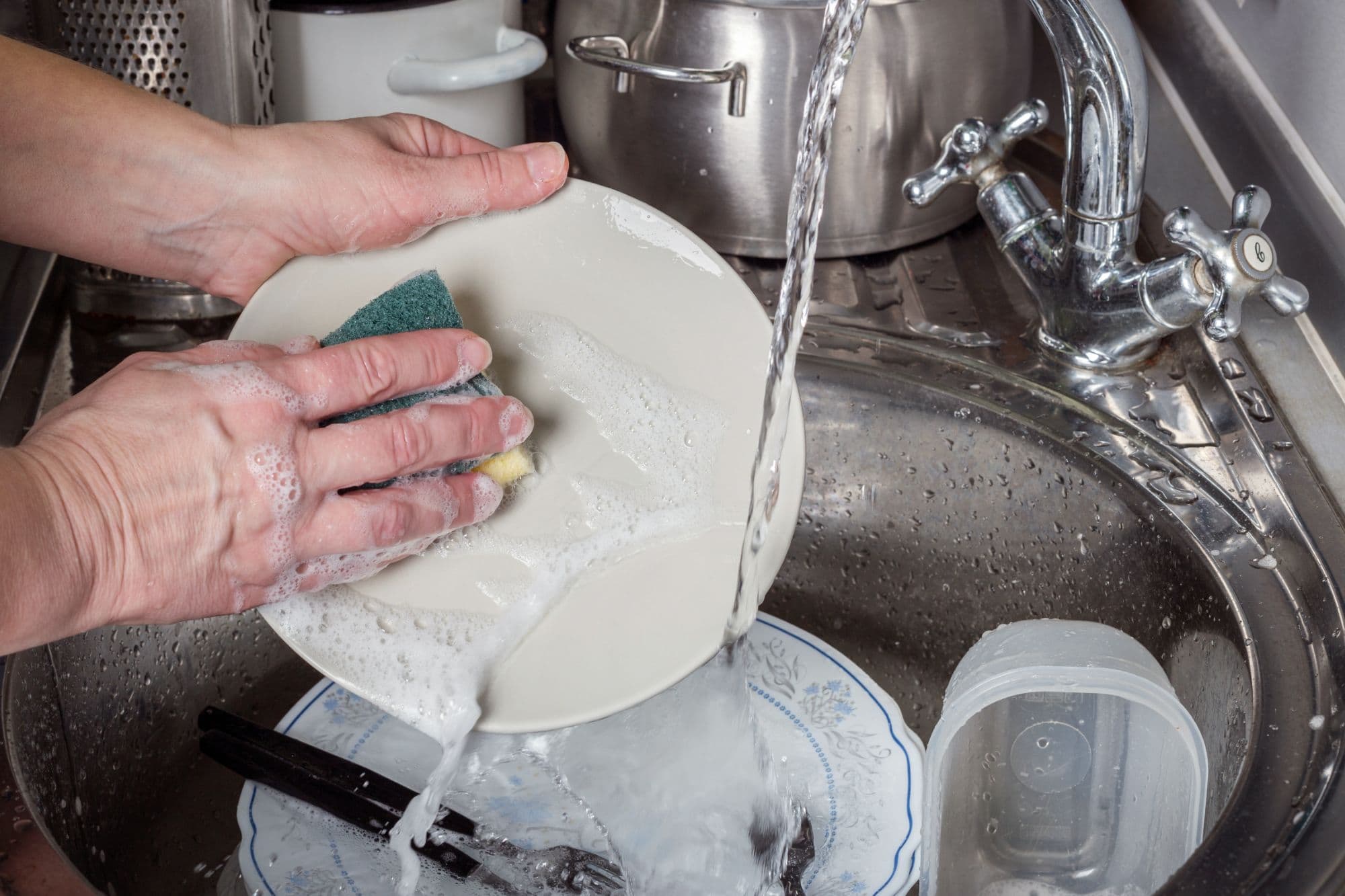
Manual washing is still very important in many restaurant kitchens. It is flexible, easy to set up and suitable for different types of kitchen items. For smaller restaurants or cafés with lower washing volume, manual washing may be enough for daily operation.
Manual washing is especially useful for:
| Situation | Why Manual Washing Is Suitable |
| Small restaurants or cafés | Washing volume may not be high enough to require a machine |
| Large pots and pans | Some items may be too large for a dishwashing machine |
| Heavy oil or stubborn stains | Items may need soaking, scrubbing or pre-cleaning |
| Delicate items | Staff can control the washing pressure by hand |
| Kitchen utensils and tools | Different sizes and shapes are easier to wash manually |
| Backup washing method | Useful when the machine is under maintenance or not available |
For manual washing, restaurants should use a proper hand dishwash liquid. A good dishwash liquid should help remove oil, food residue and odour while being suitable for daily kitchen use.
3. When a Commercial Dishwashing Machine Is Suitable
A commercial dishwashing machine is useful for restaurants with higher washing volume and busy service hours. It helps wash plates, bowls, cups and cutlery faster and more consistently compared with manual washing alone.
A dishwashing machine is especially suitable for:
| Situation | Why Machine Washing Is Suitable |
| High-volume restaurants | Large quantity of tableware can be washed more efficiently |
| Peak-hour operations | Helps reduce dish pile-up during busy periods |
| Central kitchens | Supports a more organised and standardised workflow |
| Restaurants with limited manpower | Reduces manual washing workload |
| Plates, bowls, cups and cutlery | These items are usually suitable for machine washing |
| Consistent cleaning process | Staff can follow a standard loading and washing procedure |
However, a dishwashing machine should be used with the correct machine dishwash detergent and rinse aid. Normal hand dishwash liquid should not be used in a dishwashing machine because it may create excessive foam and affect machine performance.
4. Manual Dishwash Liquid and Machine Detergent Are Different
- Manual Dishwash Liquid and Machine Detergent Are Different
One common mistake is assuming that all dishwashing chemicals are the same. In reality, manual dishwash liquid and machine dishwash detergent are designed for different washing methods.
| Item | Manual Dishwash Liquid | Machine Dishwash Detergent |
| Main use | Hand washing plates, utensils, pots and pans | Commercial dishwashing machine |
| Foam level | Usually produces foam | Usually low-foam formula |
| Application | Used with sponge, brush or manual washing sink | Used through machine dosing system or manual dosing, depending on machine setup |
| Suitable for machine? | No, unless stated by supplier | Yes, if designed for dishwashing machine |
| Common support product | Sponge, brush, soaking method | Rinse aid / rinser |
Using the correct chemical helps improve cleaning performance and protects the machine from unnecessary problems.
5. Why Rinse Aid Is Important for Machine Washing
For commercial dishwashing machines, rinse aid is normally used during the final rinse stage. It helps water spread and drain more evenly from plates, glasses and cutlery.
Rinse aid can help:
| Benefit | Explanation |
| Reduce water marks | Helps improve the appearance of plates, glasses and cutlery |
| Improve drying | Water drains away more easily from the surface |
| Support better finishing | Tableware looks cleaner and more presentable |
| Improve workflow | Faster drying can help staff handle clean items sooner |
For restaurants that serve many customers daily, good washing and drying results can make the dishwashing process smoother.
6. Many Restaurants Benefit from Using Both Methods
In many restaurant kitchens, manual washing and machine washing are not competitors. They can work together.
A practical setup may look like this:
| Item Type | Recommended Washing Method |
| Plates and bowls | Commercial dishwashing machine |
| Cups and cutlery | Commercial dishwashing machine |
| Large pots and pans | Manual washing |
| Heavy grease items | Pre-soak or manual pre-cleaning before final wash |
| Delicate items | Manual washing |
| General utensils | Depends on size, material and soil level |
This combined method allows restaurants to enjoy the efficiency of machine washing while still keeping the flexibility of manual washing.
7. Tips to Improve Dishwashing Efficiency
Restaurants can improve dishwashing efficiency by setting up a clear washing workflow.
| Tip | Practical Action |
| Sort items before washing | Separate plates, cups, cutlery, pots and greasy items |
| Remove food residue first | Scrape food waste before washing |
| Use correct detergent | Use hand dishwash for manual washing and machine detergent for machine washing |
| Follow dilution instructions | Avoid overusing or underusing chemicals |
| Train staff | Make sure staff understand the correct washing method |
| Clean machine filters daily | Helps maintain machine performance |
| Store chemicals properly | Keep products labelled and away from food items |
A clear dishwashing system can reduce confusion and improve daily kitchen hygiene.
8. How to Choose the Right Method for Your Restaurant
The best dishwashing method depends on the restaurant’s actual operation.
| Restaurant Condition | Recommended Approach |
| Low washing volume | Manual washing may be sufficient |
| Medium washing volume | Manual washing with proper workflow, or small dishwashing machine |
| High washing volume | Commercial dishwashing machine is recommended |
| Limited manpower | Machine washing can reduce staff workload |
| Many large pots and pans | Manual washing is still needed |
| Central kitchen operation | Combination of machine washing and manual washing is usually more practical |
There is no one-size-fits-all answer. The most suitable method depends on washing volume, kitchen space, staff arrangement, type of tableware and hygiene requirements.
Conclusion
Manual washing and commercial dishwashing machines both have their place in restaurant kitchens. Manual washing is flexible and useful for pots, pans, delicate items and smaller operations. Commercial dishwashing machines are helpful for restaurants with higher washing volume, busy peak hours and the need for more consistent washing results.
For many restaurants, the best solution is to use both methods correctly: manual washing for special items and pre-cleaning, and machine washing for high-volume plates, bowls, cups and cutlery.
Ezip Kleen Enterprise supports restaurants, cafés and central kitchens with manual dishwash liquid, commercial dishwashing machines, machine dishwash detergent, rinse aid and cleaning product guidance. With the right washing method and suitable products, restaurants can improve dishwashing efficiency, hygiene and daily kitchen workflow.